Healthy Eating for Toddlers: A Parent's Guide
May 4, 2026
If you've ever spent 20 minutes preparing a perfectly balanced meal only to have your toddler push it away with dramatic flair, you're not alone. Feeding young children is one of the most common challenges parents face — and one of the most important. What toddlers eat today shapes their taste preferences, energy levels, and health for years to come.
Why Toddler Nutrition Matters
Ages 18 months to 5 years are a critical window for brain development, bone growth, and building the immune system. During this period, toddlers need a steady supply of iron, calcium, healthy fats, and vitamins. The good news? You don't need to be a nutritionist to get it right.
Build a Balanced Plate
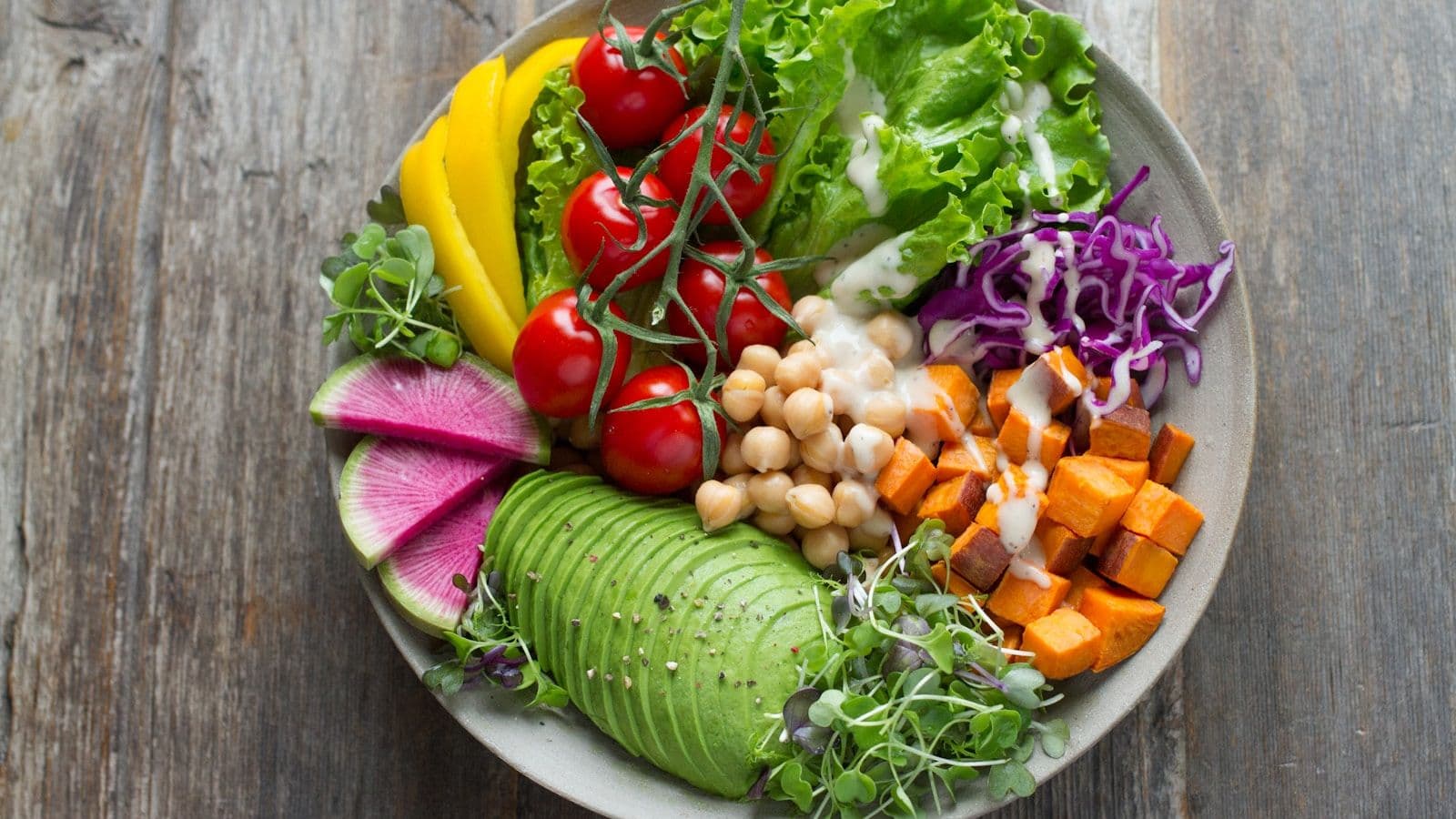
A simple way to think about toddler meals: half the plate should be fruits and vegetables, a quarter whole grains (like brown rice or whole wheat bread), and a quarter protein (eggs, beans, chicken, or fish). Add a small serving of dairy — milk, yogurt, or cheese — and you've got a well-rounded meal.
5 Practical Tips for Picky Eaters
1. Offer new foods alongside favorites. Pairing something unfamiliar with a food your child already loves reduces resistance. If they love cheese, serve it alongside broccoli.
2. Serve small portions. A toddler's stomach is about the size of their fist. Huge portions are overwhelming. A tablespoon of each food per year of age is a good starting point.
3. Keep mealtimes positive. Avoid pressure, bargaining, or making food a battle. Research shows that forced eating can increase food aversion, not reduce it.
4. Let them help. Kids who help wash vegetables, stir batter, or set the table are more likely to eat what's served. Even 2-year-olds can rinse strawberries.
5. Offer the same food multiple times. It can take 10–15 exposures before a toddler accepts a new food. Don't give up after one or two tries.
Snacks That Actually Nourish
Toddlers need 2–3 snacks per day because their stomachs can't hold much at once. Great options include: sliced banana with peanut butter, cheese cubes with whole-grain crackers, hummus with cucumber slices, plain yogurt with berries, or avocado on toast. Avoid snacks high in sugar or salt — these train little palates to crave processed food.
How We Approach Nutrition at Little School
At Little School, we believe mealtimes are as much about learning as they are about eating. Children eat together, which naturally encourages them to try what their friends are having. We serve nutritious lunches and snacks daily, and our bilingual environment means children hear food words in both English and Korean — a fun, natural way to build vocabulary while building healthy habits.
Remember: your job as a parent is to decide what healthy food to offer and when. Your child's job is to decide whether to eat and how much. Trust the process, stay consistent, and celebrate small wins — like the day they finally tried a pea.